Why Tabletop Aesthetics Matter for TTRPG Fans
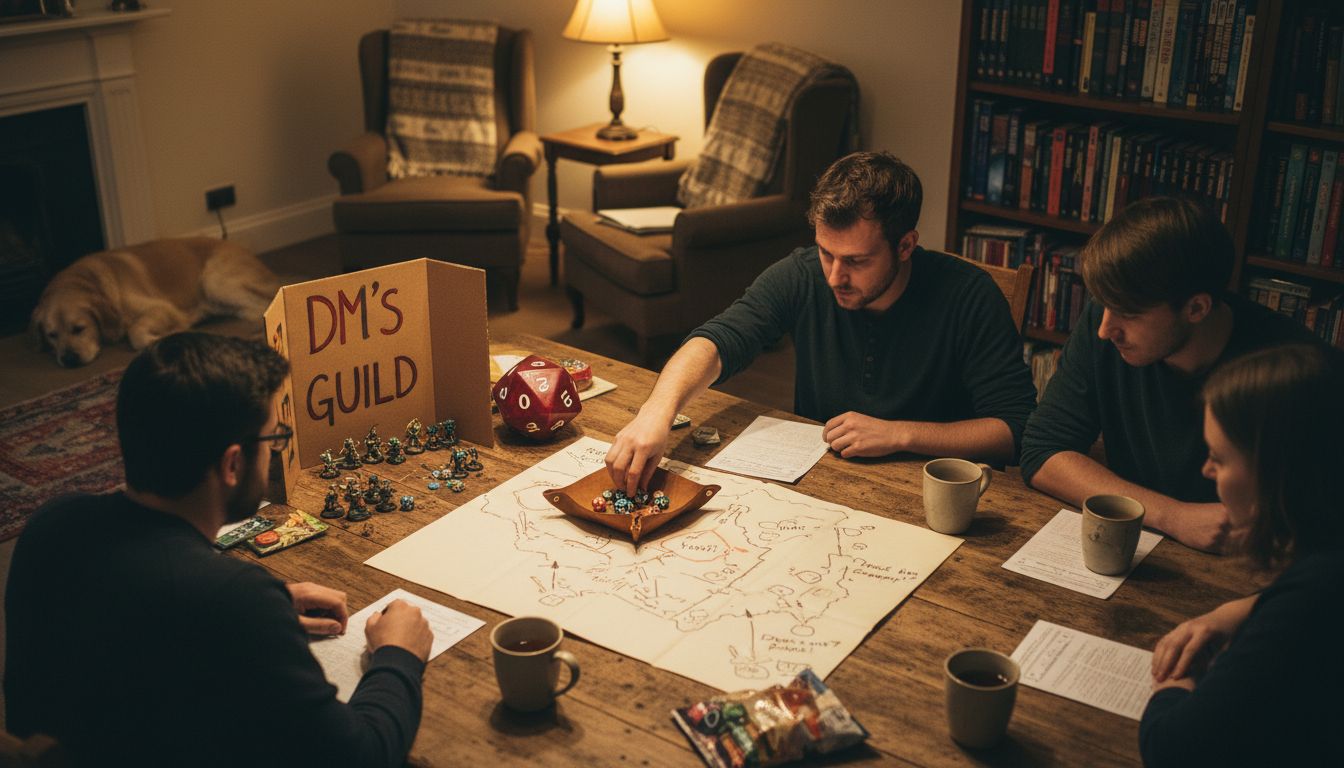
Most tabletop role-playing enthusiasts know that the look and feel of a gaming session can shape every player’s experience. A stunning 68 percent of American players say that rich visuals and immersive accessories deepen their connection to game worlds. Creating the right atmosphere goes far beyond aesthetics, it is the gateway to powerful storytelling and collaborative imagination. This guide reveals how thoughtful design choices and curated accessories turn any tabletop into a memorable, emotionally engaging adventure.
Table of Contents
- Defining Tabletop Aesthetics In TTRPG Settings
- How Visual Elements Shape Immersion
- Key Categories Of Tabletop Accessories And Decor
- Organizational Roles Of Thematic Gear And Tools
- Risks Of Neglecting Tabletop Presentation
Key Takeaways
| Point | Details |
|---|---|
| Tabletop Aesthetics Enhance Narratives | A well-designed aesthetic framework transforms gameplay into immersive storytelling experiences through cohesive visual and sensory elements. |
| Visual Storytelling Deepens Engagement | Strategic use of visual elements enables players to feel more connected to the game world, encouraging active participation in the narrative. |
| Thematic Accessories Elevate Experience | Carefully curated tabletop accessories enrich gameplay by adding depth and enhancing the overall immersive experience for players. |
| Presentation is Crucial for Engagement | Neglecting tabletop presentation can lead to disengagement and frustration, diminishing the immersive storytelling potential of role-playing games. |
Defining Tabletop Aesthetics in TTRPG Settings
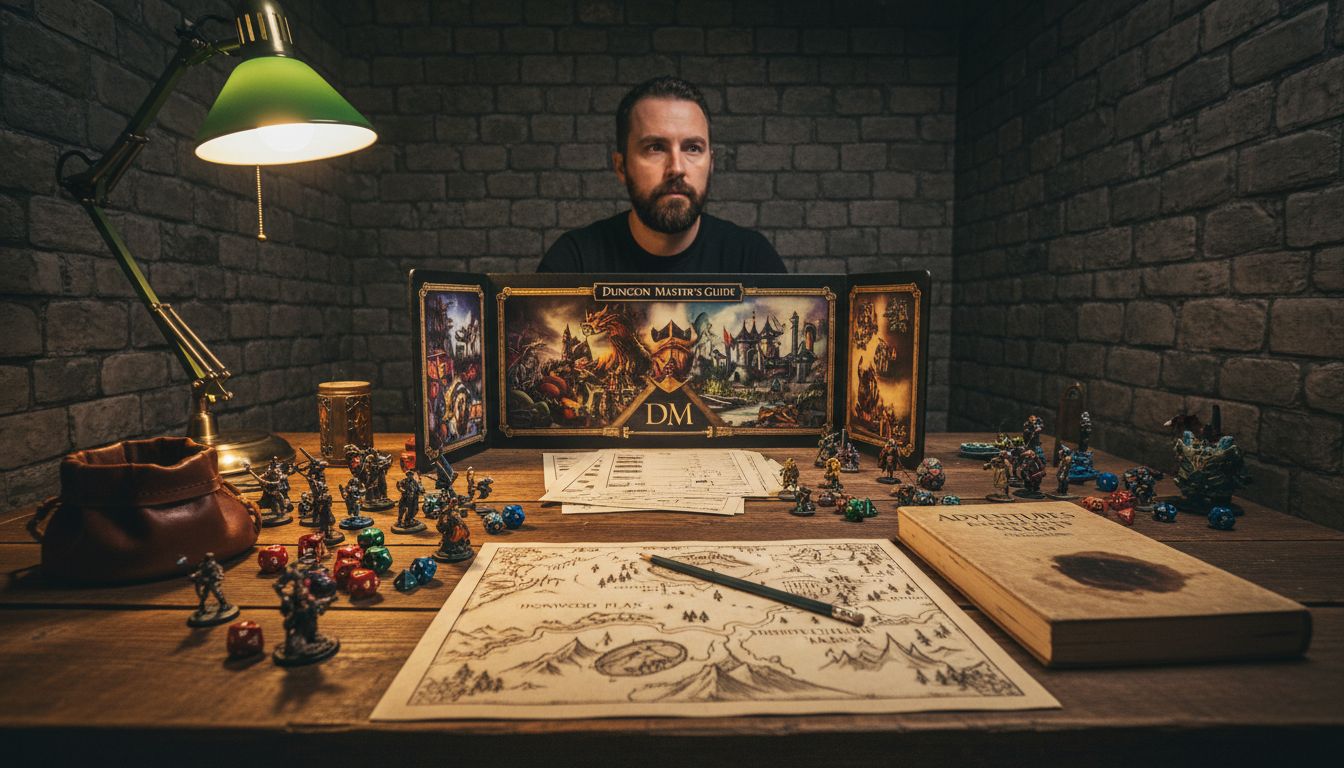
Tabletop role-playing game aesthetics represent far more than simple visual design, they are the immersive narrative framework that transforms gameplay from mechanical interaction to storytelling experience. Rulebook design has dramatically evolved beyond traditional formats, incorporating diverse artistic styles that engage players on deeper emotional and imaginative levels.
At its core, tabletop aesthetics encompass multiple sensory and visual elements that collectively create atmosphere. These include artwork, color palette, typography, physical accessory design, and thematic visual consistency. Award-winning creators understand how specific art styles can convey complex narrative worlds, transforming rulebooks from mere instruction manuals into gateways of imagination.
The aesthetic experience in tabletop RPGs extends well beyond visual design. It involves creating a holistic environment that stimulates players’ creativity and emotional investment. This means carefully curated elements like:
- Thematic color schemes that reflect game world tone
- Illustration styles matching narrative mood
- Typography that suggests historical or cultural context
- Physical accessory designs that enhance immersion
- Consistent visual language across game materials
Ultimately, tabletop aesthetics serve as the silent storyteller, guiding players into rich, imaginative experiences before a single die is rolled.
How Visual Elements Shape Immersion
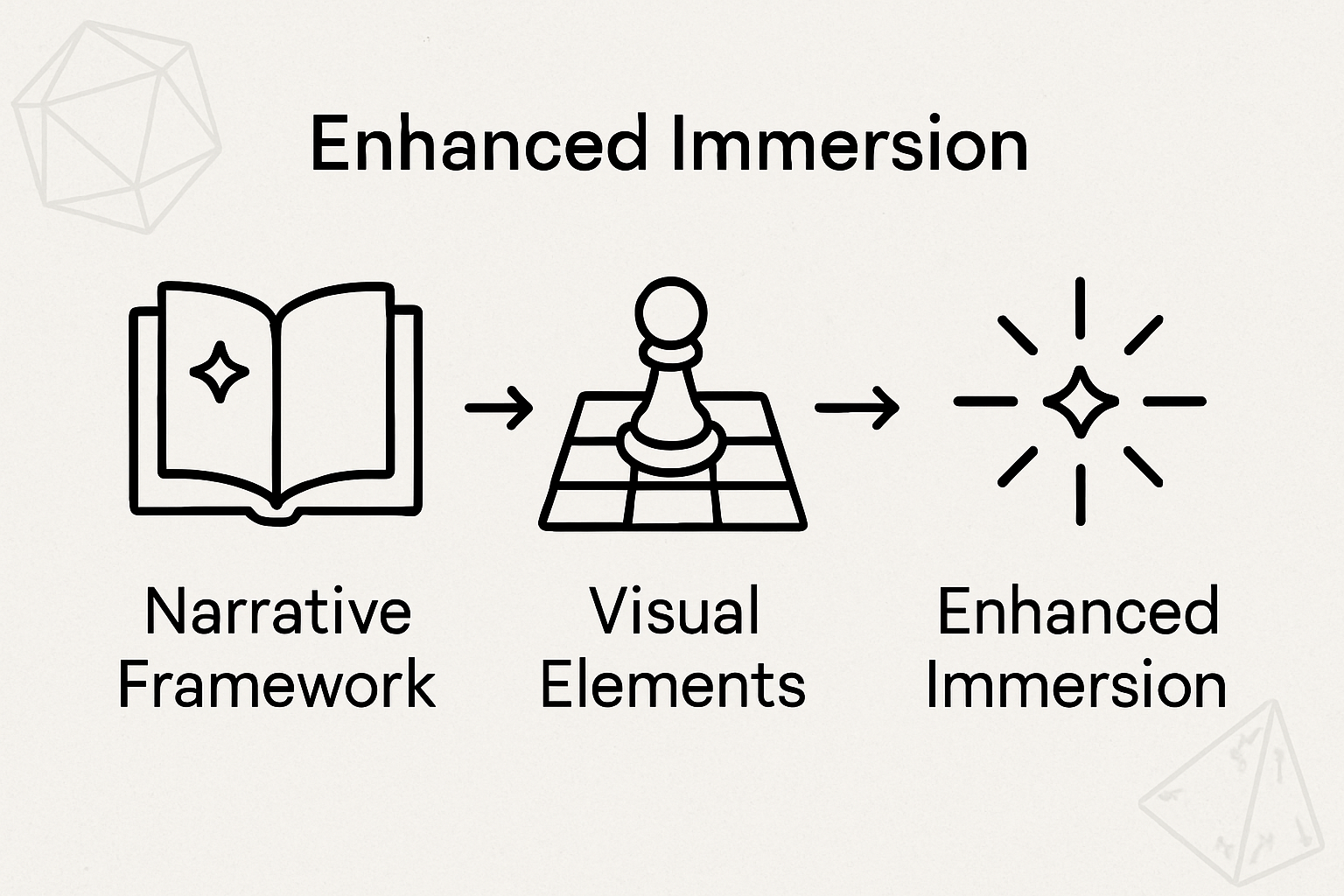
In tabletop role-playing games, visual elements are far more than decorative components, they are powerful storytelling tools that transform player engagement through sensory experiences. By carefully crafting visual narratives, game designers create environments that invite players to step beyond passive observation and become active participants in the unfolding story.
Immersion emerges through strategic visual storytelling techniques that go beyond traditional graphic design. Environmental storytelling becomes crucial, where every visual element communicates narrative depth. Game designers use subtle visual cues to reinforce player actions and world dynamics, allowing the game world to feel responsive and alive. This approach transforms static scenes into dynamic, interactive landscapes that respond to player choices.
The most effective visual immersion strategies incorporate multiple sensory triggers:
- Detailed map illustrations that suggest hidden narratives
- Character artwork revealing personality and background
- Color palettes that evoke emotional atmosphere
- Texture and style variations reflecting cultural contexts
- Strategic use of white space to create narrative tension
Ultimately, visual elements in tabletop RPGs serve as silent narrators, guiding players through complex emotional landscapes and transforming abstract rules into living, breathing worlds of imagination.
Key Categories of Tabletop Accessories and Decor
Tabletop role-playing game accessories transform ordinary gaming sessions into extraordinary narrative experiences. While some enthusiasts embrace minimalist approaches that prioritize storytelling, most players discover that carefully curated accessories significantly enhance immersion and gameplay dynamics. Upgrading tabletop accessories represents an art form that bridges functional design and imaginative expression.

The key categories of tabletop accessories can be strategically divided into several essential groups that support both practical gameplay and narrative depth. These categories include narrative tools, organizational equipment, environmental enhancers, character representation items, and immersive sensory elements. Each category serves a unique purpose in creating a rich, engaging gaming environment that transcends traditional gameplay mechanics.
Detailed breakdown of tabletop accessory categories:
-
Narrative Tools
- Custom dice sets with unique designs
- Thematic miniatures and character tokens
- Story prompt cards and random encounter generators
-
Organizational Equipment
- Modular storage solutions
- Initiative trackers
- Character sheet holders
-
Environmental Enhancers
- Terrain tiles and landscape elements
- Atmospheric lighting
- Sound effect devices
-
Character Representation
- Personalized miniature painting supplies
- Character portrait frames
- Custom figurine customization kits
-
Immersive Sensory Elements
- Themed music playlists
- Scented candles matching campaign settings
- Textured maps and tactile game components
Ultimately, tabletop accessories are more than mere objects, they are storytelling instruments that bridge imagination and tangible experience, transforming abstract narratives into interactive, multisensory adventures.
Organizational Roles of Thematic Gear and Tools
Thematic gear and tools in tabletop role-playing games represent far more than simple accessories, they are critical organizational systems that transform chaotic gameplay into structured narrative experiences. Well-designed game resources balance aesthetic appeal with functional organization, creating intuitive systems that help players navigate complex storytelling environments.
Organizational strategies emerge through carefully curated thematic tools that serve multiple critical functions. Consistent art styles and design elements help players understand and engage with game worlds, transforming practical equipment into narrative anchors that support immersive gameplay. These tools go beyond mere decoration, acting as sophisticated management systems that streamline player interactions and narrative progression.
Key organizational roles of thematic gear include:
-
Narrative Tracking
- Initiative trackers that match campaign aesthetics
- Character progression journals
- Story arc visualization tools
-
Information Management
- Themed character sheet holders
- Modular storage solutions
- Campaign notes repositories
-
Spatial Organization
- Terrain management systems
- Miniature placement platforms
- Battle map organizational grids
-
Emotional Engagement
- Mood-setting accessories
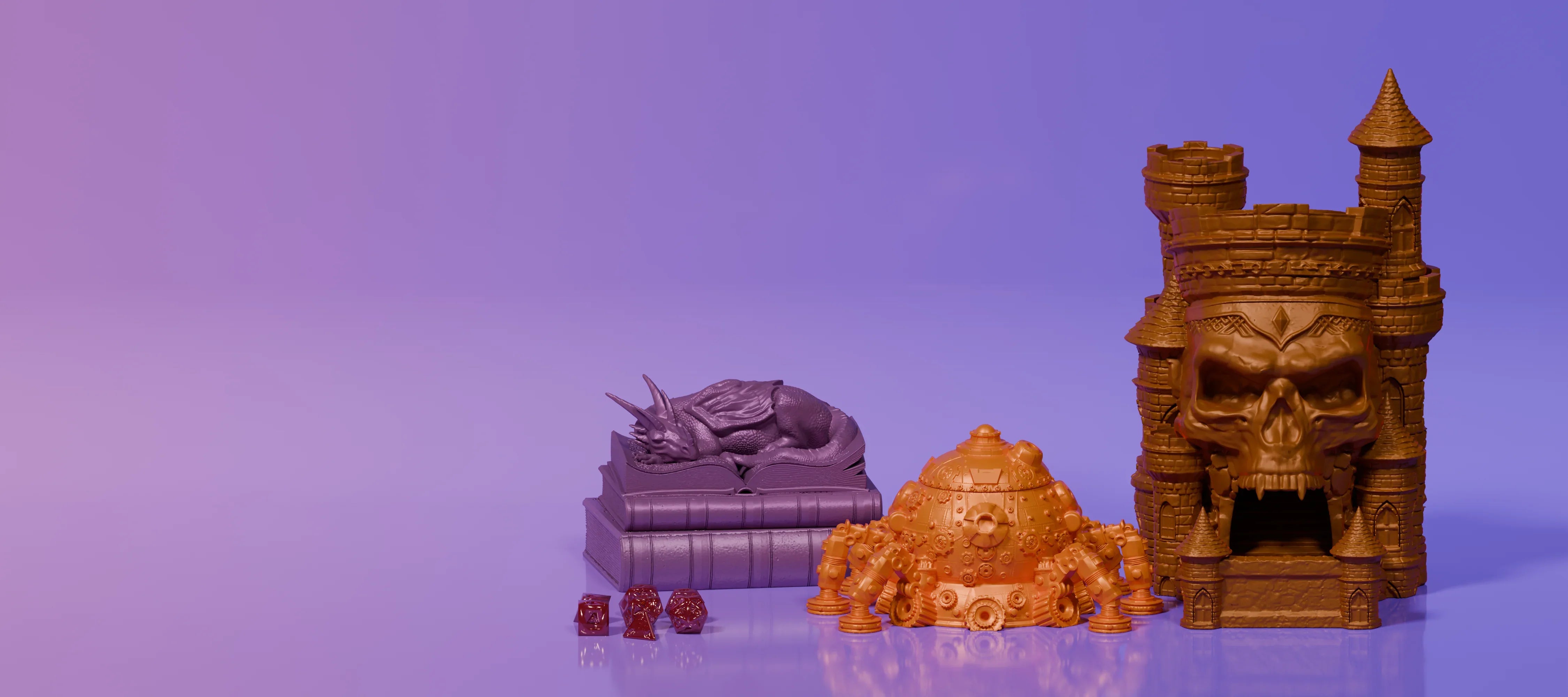
- Thematic dice towers
- Campaign-specific visual references
Ultimately, thematic gear transcends traditional organizational tools, becoming an integral part of the storytelling ecosystem that transforms abstract rules into tangible, memorable experiences.
Risks of Neglecting Tabletop Presentation
Neglecting tabletop presentation can transform potentially epic storytelling experiences into frustratingly disengaging encounters. Poor design and layout can lead to significant player disinterest, where excessive complexity or visual confusion diminishes the intrinsic magic of role-playing games. Just as a poorly constructed novel might lose a reader’s attention, an inadequately presented tabletop experience can rapidly erode player enthusiasm.
Presentation risks extend beyond mere visual appeal, striking at the core of player immersion and group dynamics. Inconsistent art styles and design elements can dramatically disrupt the game’s atmospheric integrity, creating cognitive friction that pulls participants out of their carefully constructed narrative worlds. When presentation fails, the delicate suspension of disbelief shatters, transforming collaborative storytelling into a mechanical exercise.
Key risks of neglecting tabletop presentation include:
-
Narrative Disconnection
- Loss of player emotional investment
- Reduced storytelling immersion
- Weakened group storytelling cohesion
-
Cognitive Barriers
- Increased mental load from poor organization
- Difficulty tracking game progression
- Reduced comprehension of complex rules
-
Social Engagement Deterioration
- Decreased player motivation
- Potential group frustration
- Higher likelihood of game abandonment
-
Creative Suppression
- Limitation of imaginative exploration
- Reduced player improvisation
- Stifled narrative creativity
Ultimately, presentation is not a superficial concern but a critical component of the tabletop role-playing experience, a bridge between mechanical gameplay and transformative storytelling.
Elevate Your Tabletop RPG Experience with Fabletop
The article highlights the crucial role of tabletop aesthetics and thematic organization in transforming TTRPG sessions from ordinary to immersive storytelling adventures. If you have ever felt frustrated by cluttered gameplay spaces or dull visual presentation that disrupts player engagement and creative flow, Fabletop offers the perfect solution. Our premium collection addresses key pain points like narrative tracking, spatial organization, and emotional immersion with beautifully crafted, fantasy-themed accessories.
Discover tools designed to help Dungeon Masters and players maintain focus and elevate atmosphere through magnetic DM screens, modular organization systems, and handcrafted campaign journals. Each accessory is made with thoughtful design that brings seamless functionality and stunning visuals together. Equip yourself with thematic, durable gear including fantasy leather bags for secure transport and customizable command centers that keep your game world alive. Explore our full range of tabletop gaming accessories and experience how the right presentation can unlock a new level of player involvement. Take control of your narrative now by visiting Fabletop’s collection to find the essential gear that transforms every campaign into an unforgettable journey.
Frequently Asked Questions
What are tabletop aesthetics in TTRPGs?
Tabletop aesthetics refer to the visual and sensory elements that create an immersive narrative framework in tabletop role-playing games, including artwork, color palettes, typography, and thematic consistency.
How do visual elements enhance player immersion in tabletop RPGs?
Visual elements, such as detailed maps, character art, and thematic color palettes, serve as powerful storytelling tools that invite players to engage deeply with the game world, transforming static scenes into dynamic narratives that respond to player choices.
Why are tabletop accessories important for gameplay?
Tabletop accessories enhance the narrative experience by providing practical tools like custom dice, miniatures, and atmospheric elements that improve player engagement and enrich storytelling during sessions.
What are the risks of neglecting presentation in tabletop gaming?
Neglecting presentation can lead to decreased player motivation, narrative disconnection, and cognitive barriers. Poor design may shatter immersion and hinder collaborative storytelling, making players less likely to enjoy the experience.
Recommended
- How to Style a Gaming Table for Immersive TTRPG Sessions
- Reasons Why Tabletop Gaming Is Great
- Social Benefits and Cultural Impact of Tabletop Role-Playing Games
- Board Games vs Tabletop Games: What’s the Real Difference?

Written by Josh Joseph