7 Essentials for a Practical Dungeon Master Setup Checklist
Over 35 million Americans participate in tabletop roleplaying games each year, making immersive setups more important than ever. For every American game master, finding the right tools can spell the difference between chaotic sessions and seamless storytelling. This guide reveals expert tips on magnetic DM screens, modular storage, campaign journals, and more so you can transform your gaming experience and lead your table with confidence.
Table of Contents
- Choose a Thematic Magnetic DM Screen for Easy Access
- Organize Dice and Tokens in Modular Storage Trays
- Prep Campaign Journals to Track Lore and NPCs
- Select Quality Miniatures and Map Features
- Pack Gear in a Secure Fantasy Leather Bag
- Arrange Quick-Reference Cards and Player Handouts
- Set the Mood with Thematic Accessories and Lighting
Quick Summary
| Takeaway | Explanation |
|---|---|
| 1. Choose a Thematic Magnetic DM Screen | A magnetic DM screen enhances storytelling and organization, allowing for quick reference and aesthetic customization during gameplay. |
| 2. Organize with Modular Storage Trays | Modular storage trays keep dice and tokens orderly, improving efficiency and reducing setup time for seamless game sessions. |
| 3. Prepare Campaign Journals for Lore Tracking | Campaign journals allow detailed documentation of characters and plot, enriching narrative depth and aiding game management. |
| 4. Optimize Miniatures and Map Features | Select versatile miniatures and detailed maps to enhance visual storytelling and player engagement through immersive visuals. |
| 5. Use Thematic Accessories for Atmosphere | Ambient lighting and thematic accessories create a multisensory experience, enhancing immersion and setting the mood for adventures. |
1. Choose a Thematic Magnetic DM Screen for Easy Access
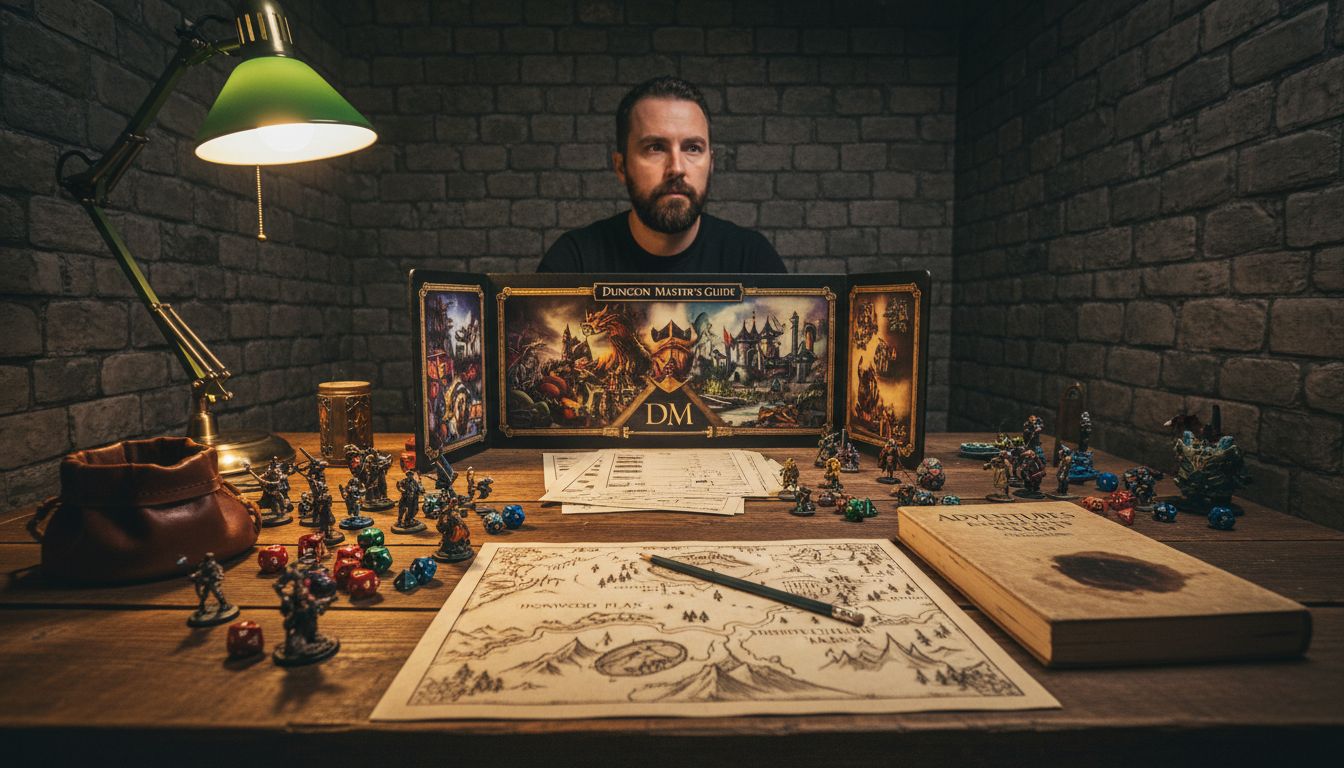
Navigating the complex world of tabletop roleplaying requires a command center that is both functional and immersive. A magnetic DM screen serves as your storytelling hub, transforming game management from tedious to seamless.
The magic of a well designed magnetic DM screen lies in its adaptability. By incorporating magnetic technology, you create a dynamic workspace that allows quick information swapping, rule referencing, and encounter tracking. Researchers examining tabletop gaming interfaces have noted how magnetic screen configurations enhance game master workflow by providing modular organization options.
Key Benefits of a Magnetic DM Screen:
- Rapid information access during gameplay
- Customizable reference panels
- Thematic design that enhances narrative immersion
- Sturdy construction for repeated use
When selecting your screen, prioritize designs that reflect your campaign aesthetic. Whether you prefer a medieval fantasy look or a sci fi inspired interface, choose a screen that sparks your storytelling imagination. Magnetic bars and interchangeable panels allow you to adapt your setup as your campaign evolves, making it a true game masters toolkit.
Pro tip: Look for screens with multiple magnetic zones that let you quickly swap out encounter maps, character notes, and rulebook references without disrupting the game flow.
2. Organize Dice and Tokens in Modular Storage Trays
In the world of tabletop roleplaying, your gaming setup is only as good as its organization. Modular storage trays transform how you manage dice, tokens, and small game components, turning potential chaos into streamlined efficiency.
Researchers examining gaming storage solutions have discovered that transportable and adaptable storage designs significantly improve player experience. These specialized trays are not just containers they are strategic tools that keep your game flowing smoothly.
Why Modular Storage Matters:
- Prevents dice from rolling across the table
- Keeps game components organized and easily accessible
- Reduces setup and breakdown time
- Protects expensive or special dice collections
When selecting your storage system, look for trays with adjustable compartments that can accommodate different dice sizes and shapes. Magnetic features can be a bonus allowing you to attach trays to your DM screen or gaming table. Consider clear or color coded sections to quickly identify specific dice sets or token types.
Pro tip: Invest in trays with secure lids for transportation. This ensures your carefully organized gaming arsenal stays intact during travel to game nights or conventions. A well organized dice tray is not just about neatness it is about creating a smoother, more immersive gaming experience.
3. Prep Campaign Journals to Track Lore and NPCs
Every great adventure starts with meticulous documentation. Campaign journals are your secret weapon for creating immersive and consistent storytelling experiences that keep players engaged and game masters organized.
Researchers exploring tabletop gaming tools have highlighted innovative frameworks for managing complex campaign information, demonstrating how structured documentation can dramatically enhance narrative depth and game management.
Essential Campaign Journal Sections:
- Character and NPC profiles
- World lore and historical background
- Ongoing quest details
- Session summaries
- Important plot threads and narrative connections
Create separate sections for each major campaign element. Your NPC pages should include critical details like motivations, relationships, and potential plot hooks. For world lore, develop a system that allows quick reference tracking key events, kingdoms, and magical systems.
Pro tip: Use consistent notation and color coding to make your journal intuitive. Consider using facing pages a classic technique where the left page contains raw information and the right page serves for real time notes and updates during gameplay. This approach transforms your journal from a static document to a living campaign guide.
Remember that a well maintained campaign journal is more than just record keeping it is a creative tool that helps you craft richer, more dynamic storytelling experiences.
4. Select Quality Miniatures and Map Features
Visual storytelling transforms tabletop roleplaying from a narrative exercise into an immersive experience. High quality miniatures and detailed map features are not just game pieces they are portals to compelling adventures.
Researchers exploring gaming technologies have demonstrated how strategic visual elements enhance player engagement and narrative depth, making miniature selection a critical aspect of game preparation.
Miniature and Map Selection Criteria:
- Sufficient variety to represent diverse character types
- Appropriate scale and proportions
- Detailed sculpting that captures character essence
- Durable materials for repeated gameplay
- Compatibility with different terrain and map systems
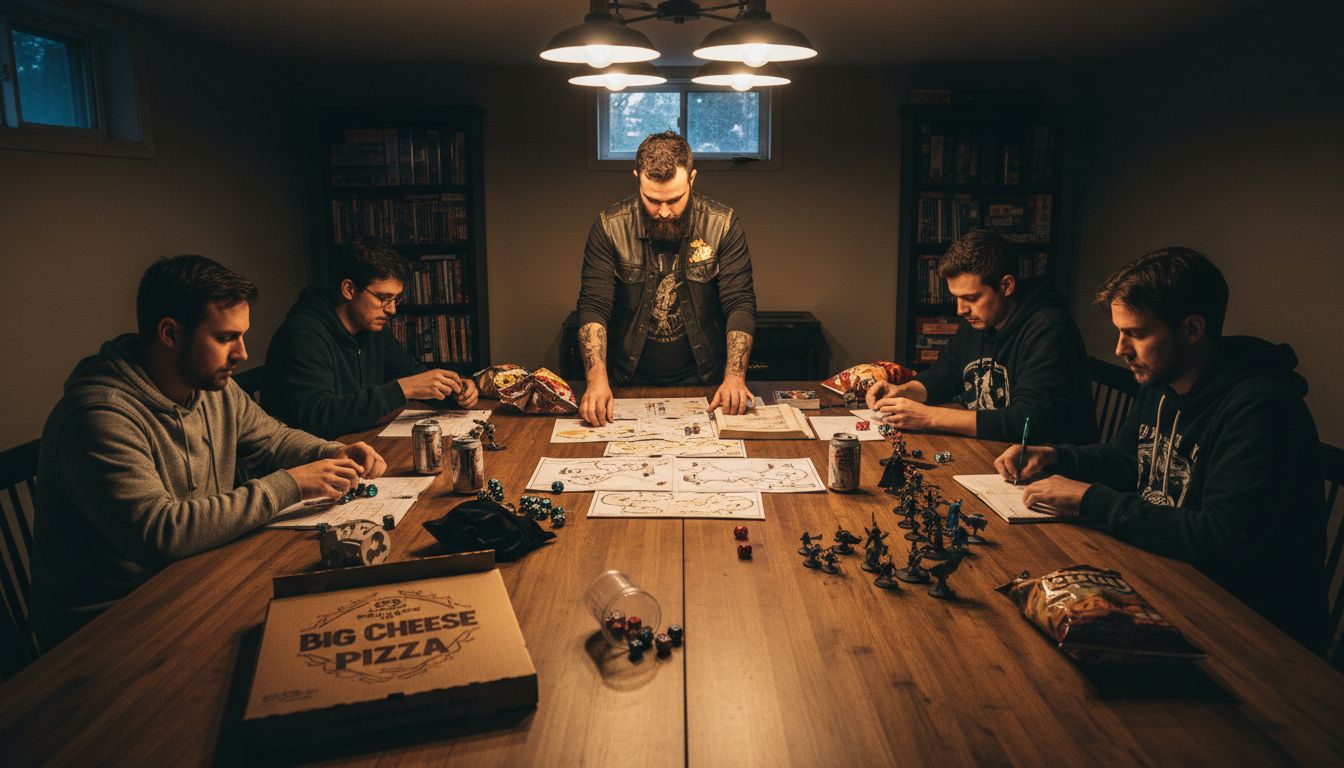
When building your collection, focus on versatility. Invest in miniatures that can represent multiple character archetypes and scenarios. Modular terrain pieces allow you to create dynamic landscapes that shift with your narrative. Consider magnetic base systems that enable quick repositioning and strategic gameplay.
Pro tip: Mix pre painted miniatures with blank figures you can customize. This approach allows personal artistic expression while ensuring you have a robust set of game pieces. Your miniatures are more than game components they are storytelling tools that bring your imagined world to vibrant life.
5. Pack Gear in a Secure Fantasy Leather Bag
Every dungeon master needs a reliable companion for transporting their gaming arsenal. A well designed leather bag transforms game preparation from a logistical challenge into an exciting prelude to adventure.
Researchers exploring gaming gear storage have developed comprehensive strategies for protecting and transporting tabletop gaming equipment, emphasizing the importance of durability and thematic design.
Key Features of an Ideal Gaming Bag:
- Padded interior to protect delicate miniatures
- Multiple compartments for organized storage
- Water resistant materials
- Robust construction for frequent travel
- Thematic design that reflects your gaming style
Consider your bag a mobile command center. Seek out designs with adjustable dividers that can accommodate dice towers, miniature cases, rulebooks, and campaign journals. Leather offers superior protection and adds a touch of fantasy aesthetic that transforms mundane transport into part of your storytelling experience.
Pro tip: Look for bags with external attachment points for additional gear. A well organized bag means faster setup, smoother gameplay, and less stress during your tabletop adventures. Your gaming equipment deserves a home as epic as the stories you create.
6. Arrange Quick-Reference Cards and Player Handouts
Streamlining information access can transform a good game session into an extraordinary storytelling experience. Quick reference cards and player handouts are the unsung heroes of smooth tabletop roleplaying gameplay.
Researchers exploring gaming interfaces have demonstrated how strategic information management enhances player engagement and game flow, making organized reference materials crucial for dungeon masters.
Essential Reference Card Categories:
- Spell descriptions and ranges
- Combat action summaries
- Character ability quick guides
- Critical hit and miss tables
- Status effect explanations
- Terrain interaction rules
Design your reference cards with clarity and visual appeal. Use color coding to distinguish between different types of information. Laminate your cards to ensure durability and consider magnetic backing that allows easy attachment to your DM screen.
Pro tip: Create double sided cards with player information on one side and dungeon master details on the other. This approach provides transparency while maintaining the mystery essential to great storytelling. Your goal is to minimize rulebook hunting and maximize narrative immersion.
7. Set the Mood with Thematic Accessories and Lighting
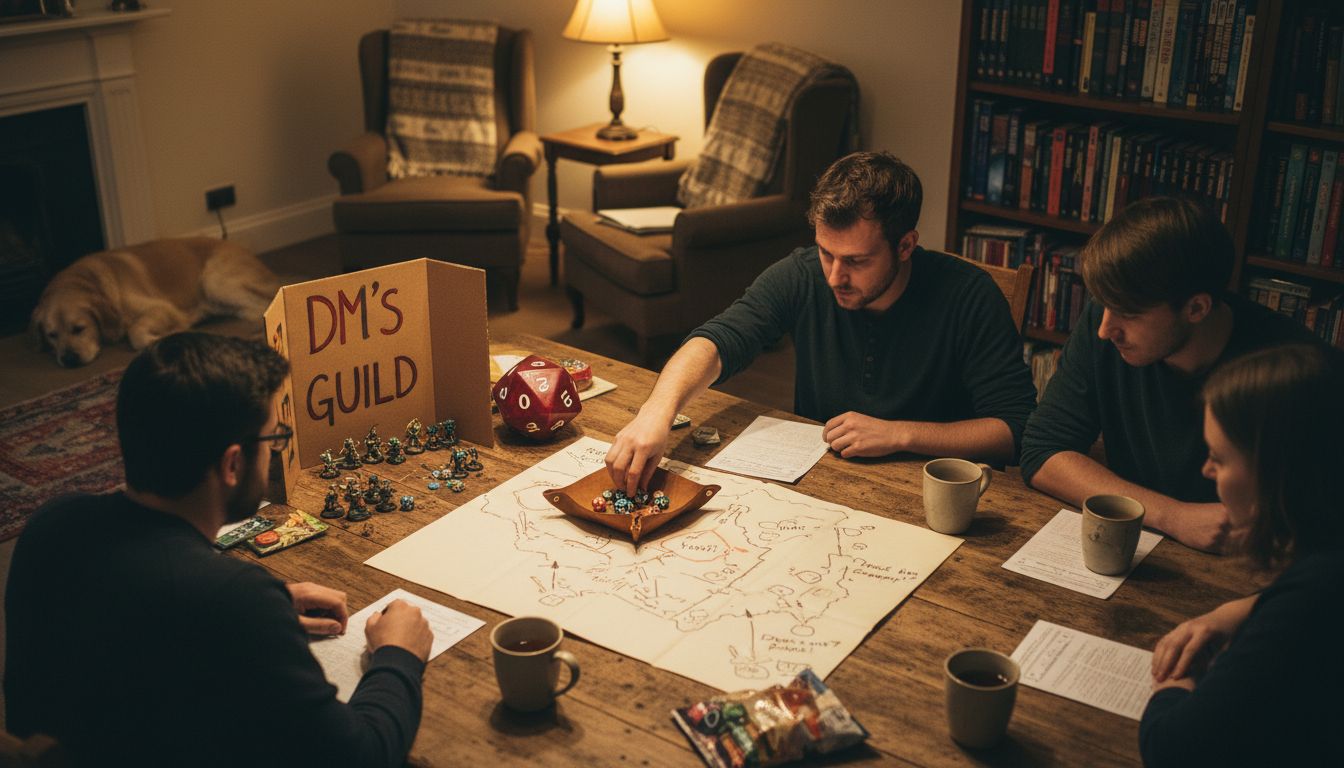
Tabletop roleplaying transcends mere gameplay it is a multisensory storytelling experience. Thoughtful accessories and strategic lighting transform an ordinary gaming session into an unforgettable narrative journey.
Researchers exploring gaming environments have revealed how carefully curated atmospheric elements dramatically enhance player immersion, making mood setting a critical component of game design.
Essential Mood Setting Elements:
- Ambient LED lighting in theme appropriate colors
- Battery powered candles for dramatic effect
- Background soundscapes or music playlists
- Terrain pieces with atmospheric detailing
- Fantasy inspired table runners or cloth backdrops
- Small decorative elements matching campaign setting
Consider your lighting as another storytelling tool. Soft blue tones might represent a moonlit forest encounter while warm amber suggests a tavern scene. Invest in dimmable lights with color changing capabilities to seamlessly transition between different narrative moments.
Pro tip: Create a consistent sensory experience that matches your campaign world. A desert adventure might use sandy colored cloths and amber lighting while a gothic horror game could feature deep purple ambient lights and strategically placed skull decorations. Your goal is to make players feel they have stepped into another reality.
This table summarizes key strategies and components for enhancing tabletop roleplaying experiences.
| Topic | Description | Key Considerations |
|---|---|---|
| Thematic Magnetic DM Screen | Provides a dynamic workspace with customizable reference panels and rapid information access. | Prioritize a design that matches your campaign aesthetic and includes multiple magnetic zones. |
| Modular Storage Trays | Organizes dice and tokens for streamlined gameplay. | Look for adjustable compartments and secure lids for easy transport. |
| Campaign Journals | Tracks lore, NPCs, and sessions to enhance storytelling. | Use consistent notation and color coding for intuitive access. |
| Quality Miniatures and Maps | Enhances narrative depth with versatile and detailed pieces. | Invest in diverse miniatures and consider magnetic bases for flexibility. |
| Secure Fantasy Leather Bag | Transports and protects gaming gear stylishly. | Choose padded, water-resistant designs with multiple compartments. |
| Quick-Reference Cards | Streamlines information access for better game flow. | Design clear, laminated cards with magnetic backing for easy attachment. |
| Thematic Accessories and Lighting | Enhances immersion with mood-setting elements. | Use dimmable, color-changing lights and thematic decorations. |
Elevate Your Dungeon Master Setup with Customizable Essentials
Managing a tabletop RPG session can be challenging when vital tools aren’t easily accessible or well organized. The article highlights key pain points like quick information access, modular storage for dice and tokens, immersive thematic elements, and secure transport for gaming gear. Achieving a seamless and engaging game master workflow means embracing solutions such as magnetic DM screens, detailed campaign journals, and evocative miniatures that transform your space into a dynamic storytelling command center.
At Fabletop, we understand these challenges and offer a premium range of fantasy-themed, magnetic accessories designed specifically for Dungeon Masters seeking organization and immersion. Our tabletop gaming accessories include customizable magnetic DM screens that ensure rapid rule referencing and encounter tracking without disrupting gameplay. Complement your setup with our modular organizers, secure fantasy leather bags for transporting your miniatures, and elegant campaign journals built to keep your lore and NPCs at your fingertips.
Ready to transform your gaming sessions from cluttered chaos into unforgettable adventures? Explore magnetic DM screens and modular organization solutions today and build the ultimate Dungeon Master toolkit that adapts as your campaign evolves. Don’t wait to enhance your control over the narrative—visit Fabletop’s collection now and prepare for your next epic quest.
Frequently Asked Questions
What should I look for in a magnetic DM screen?
A magnetic DM screen should prioritize rapid information access and a thematic design that enhances narrative immersion. Choose screens with multiple magnetic zones to easily swap out maps and notes during gameplay.
How can I effectively organize my dice and tokens?
To effectively organize your dice and tokens, invest in modular storage trays with adjustable compartments. This helps keep all game components easily accessible and prevents dice from rolling off the table during play.
What essential sections should I include in my campaign journal?
Include sections like character profiles, world lore, ongoing quests, and session summaries in your campaign journal. Creating dedicated pages for these elements will make it easier to track key details and improve your storytelling.
How can I enhance the visual storytelling of my game?
Enhance visual storytelling by selecting high-quality miniatures and detailed map features that resonate with your campaign. Focus on versatile miniatures that can represent various character types and invest in modular terrain for dynamic landscapes.
What features should I look for in a gaming bag for my gear?
When selecting a gaming bag, look for padded interiors for miniatures, multiple compartments for organization, and durable, water-resistant materials. These features will ensure your gear is well-protected and easy to transport to game sessions.
How can I set the mood for my tabletop gaming sessions?
Set the mood by using ambient lighting, background music, and thematic accessories that align with your campaign setting. Create a consistent sensory experience to immerse your players in the narrative, adjusting elements to match different story moments.
Recommended
- Common Pitfalls of Subpar Tabletop Gaming Gear
- What Do People Put on Their DM Screens? Essential Items and Organizati
- Is D&D an Expensive Hobby Worth Investigating?
- Session Zero Checklist: How to Start Your Dungeons & Dragons Campaign
- Essential Website Maintenance Checklist for 2025 Success|BM
- 7 étapes clés pour une checklist pour débuter Yu-Gi-Oh - JM Cards

Written by Josh Joseph